
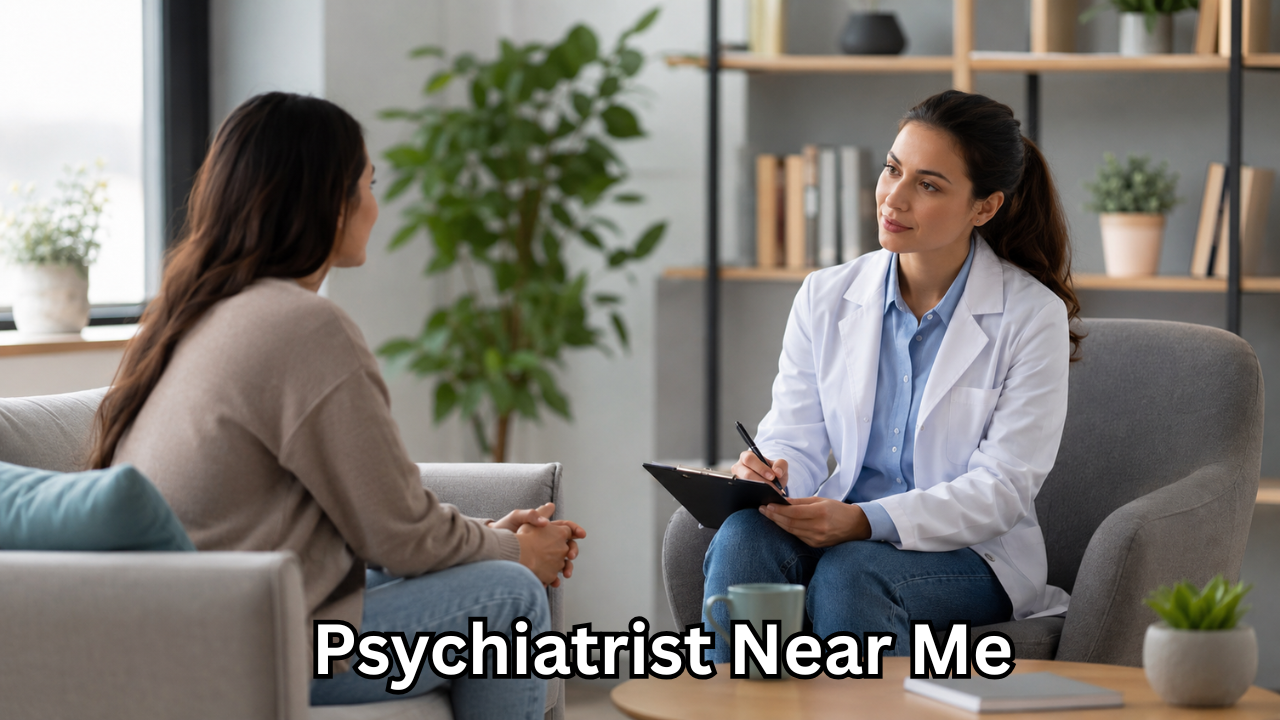
Mental health has become one of the most important parts of overall wellness, and more people today are searching online for a “psychiatrist near me” to get professional help for anxiety, depression, stress, trauma, and other emotional challenges. Finding the right psychiatrist can feel overwhelming, especially when there are many clinics, hospitals, and mental health providers available. However, choosing the right professional can make a significant difference in your emotional health, daily life, and long-term recovery.
A psychiatrist is a medical doctor who specializes in diagnosing, treating, and preventing mental health disorders. Unlike general therapists or counselors, psychiatrists can prescribe medication and create advanced treatment plans tailored to individual needs. Whether someone is dealing with severe anxiety, mood disorders, panic attacks, ADHD, PTSD, or sleep-related mental health issues, a psychiatrist can provide expert support and medical guidance.
This guide explains everything you need to know about finding the best psychiatrist near you, what services psychiatrists offer, how appointments work, and what factors to consider before choosing a mental health professional.
Why People Search for a Psychiatrist Near Me
The demand for mental health services has increased rapidly in recent years. Many individuals experience emotional stress due to work pressure, relationship problems, financial struggles, academic stress, or personal trauma. While some people can manage stress independently, others may require professional support to improve their emotional well-being.
Searching for a psychiatrist near me is often the first step toward better mental health. People usually look for local psychiatrists because nearby clinics are more convenient for regular visits, emergency consultations, and ongoing treatment plans.
Some common reasons people seek psychiatric help include:
- Anxiety disorders
- Depression
- Bipolar disorder
- Panic attacks
- Obsessive-compulsive disorder
- Post-traumatic stress disorder
- ADHD
- Sleep disorders
- Eating disorders
- Addiction recovery support
- Emotional trauma
- Mood swings
- Stress management
Early treatment can improve symptoms significantly and help individuals regain control over their personal and professional lives.
What Does a Psychiatrist Do
A psychiatrist is trained to evaluate both the mental and physical aspects of psychological conditions. Because psychiatrists attend medical school and complete specialized psychiatric training, they can understand how emotional disorders may connect with physical health conditions.
Psychiatrists typically provide:
- Mental health evaluations
- Diagnosis of psychiatric disorders
- Medication management
- Therapy sessions
- Behavioral treatment plans
- Crisis intervention
- Long-term mental health support
Some psychiatrists specialize in specific fields such as child psychiatry, addiction psychiatry, geriatric psychiatry, or adolescent mental health care.
Difference Between a Psychiatrist and a Therapist
Many people confuse psychiatrists with therapists or psychologists. While all of them help improve mental health, their roles are different.
A psychiatrist is a medical doctor who can prescribe medication and manage complex psychiatric conditions medically. A therapist or counselor mainly focuses on talk therapy and emotional support techniques.
In many cases, patients work with both a psychiatrist and a therapist for complete mental health care. For example, a psychiatrist may prescribe medication for anxiety while a therapist helps the patient learn coping strategies and stress management skills.
Signs You Should See a Psychiatrist
Sometimes people delay mental health treatment because they are unsure whether their symptoms are serious enough. However, recognizing early warning signs can help prevent conditions from becoming more severe.
You may benefit from visiting a psychiatrist if you experience:
- Constant sadness or hopelessness
- Extreme mood changes
- Panic attacks
- Persistent anxiety
- Difficulty concentrating
- Loss of interest in activities
- Sleep problems
- Emotional numbness
- Social withdrawal
- Unexplained anger or irritability
- Ongoing stress affecting daily life
- Trouble functioning at work or school
Seeking help is a responsible step toward improving mental wellness and emotional balance.
How to Choose the Best Psychiatrist Near Me
Finding the right psychiatrist involves more than simply selecting the first clinic that appears in search results. A good psychiatrist should match your personal needs, treatment preferences, and communication style.
Check Qualifications and Experience
Always verify that the psychiatrist is licensed and certified in psychiatry. Experienced professionals often have expertise in treating specific conditions such as anxiety, depression, or trauma-related disorders.
Read Patient Reviews
Online reviews can provide insight into patient experiences, appointment quality, professionalism, and communication style. Positive reviews may indicate reliable and compassionate care.
Consider Specializations
Different psychiatrists focus on different areas of mental health. Some specialize in child psychiatry, while others treat adults, addiction issues, or severe psychiatric disorders.
Evaluate Communication Style
Mental health treatment requires trust and comfort. A good psychiatrist should listen carefully, explain treatment options clearly, and create a supportive environment.
Check Availability
Long waiting periods can delay treatment. Choosing a psychiatrist with reasonable appointment availability can help you begin treatment sooner.
Confirm Insurance Coverage
Mental health services can be expensive depending on location and clinic type. Checking insurance compatibility beforehand may reduce out-of-pocket costs.
What Happens During the First Appointment
Many people feel nervous before their first psychiatric consultation. Understanding what to expect can help reduce anxiety and make the experience more comfortable.
During the first appointment, the psychiatrist may ask questions about:
- Medical history
- Mental health symptoms
- Family history
- Lifestyle habits
- Sleep patterns
- Stress levels
- Emotional challenges
- Current medications
The psychiatrist will evaluate symptoms carefully before recommending a treatment plan. Treatment may include therapy, medication, lifestyle adjustments, or a combination of approaches.
Initial appointments are designed to understand the patient’s condition fully rather than provide instant solutions. Honest communication helps psychiatrists create more effective treatment plans.
Benefits of Seeing a Local Psychiatrist
Searching for a psychiatrist near me offers several advantages compared to choosing distant providers.
Easier Access to Appointments
Nearby clinics reduce travel time and make regular visits more convenient.
Better Emergency Support
Local psychiatrists may provide faster assistance during emotional crises or urgent mental health situations.
Improved Long-Term Care
Consistent appointments are easier to maintain when the clinic is close to home or work.
Access to Community Resources
Local psychiatrists often work with nearby hospitals, therapists, support groups, and healthcare providers.
Online Psychiatry and Telehealth Services
Modern technology has changed how people access mental health treatment. Many psychiatrists now offer online consultations through telehealth platforms.
Virtual psychiatry appointments allow patients to receive professional support from home using a phone, tablet, or computer. This option is especially useful for individuals with busy schedules, transportation challenges, or social anxiety.
Benefits of online psychiatry include:
- Flexible scheduling
- Greater privacy
- Reduced travel
- Faster access to care
- Convenient follow-up appointments
However, some severe conditions may still require in-person evaluations depending on the patient’s needs.
Mental Health Conditions Commonly Treated by Psychiatrists
Psychiatrists diagnose and treat a wide range of emotional and behavioral disorders.
Anxiety Disorders
Anxiety can cause excessive fear, nervousness, and panic attacks that interfere with daily life. Psychiatrists help patients manage anxiety using therapy, medication, and coping strategies.
Depression
Depression affects mood, energy levels, motivation, and emotional stability. Professional treatment can improve symptoms and restore emotional well-being.
Bipolar Disorder
Bipolar disorder involves extreme mood swings between emotional highs and lows. Psychiatrists create structured treatment plans to stabilize mood changes.
ADHD
Attention-deficit hyperactivity disorder affects focus, impulse control, and organization skills in both children and adults.
PTSD
Post-traumatic stress disorder may develop after traumatic experiences and can cause flashbacks, anxiety, and emotional distress.
Sleep Disorders
Mental health and sleep are closely connected. Psychiatrists often treat insomnia, stress-related sleep problems, and other sleep disturbances.
Tips for Getting the Most From Psychiatric Treatment
Mental health improvement takes time and consistency. Following your treatment plan carefully can improve results significantly.
Helpful tips include:
- Attend appointments regularly
- Take medications as prescribed
- Be honest about symptoms
- Maintain healthy sleep habits
- Reduce stress when possible
- Avoid alcohol and substance misuse
- Practice self-care routines
- Stay patient with the recovery process
Mental health recovery is different for every individual, and progress may happen gradually over time.
How Mental Health Support Improves Quality of Life
Professional psychiatric care can improve many areas of life beyond emotional health. Effective treatment may help individuals:
- Build healthier relationships
- Improve work performance
- Sleep better
- Increase confidence
- Reduce stress
- Regain emotional stability
- Improve physical health
- Enhance daily productivity
Mental health affects nearly every aspect of daily life, making proper treatment an important investment in long-term wellness.
Why Early Mental Health Treatment Matters
Ignoring emotional struggles may allow symptoms to worsen over time. Early psychiatric treatment often leads to better outcomes and faster recovery.
People sometimes avoid seeking help due to fear, stigma, or uncertainty. However, mental health conditions are common and treatable. Reaching out to a psychiatrist is a positive and proactive decision.
With modern treatment options, many individuals successfully manage mental health conditions and live balanced, productive lives.
Final Thoughts
Searching for a psychiatrist near me is an important step toward improving emotional wellness and mental health stability. Whether someone is dealing with anxiety, depression, stress, trauma, or another condition, professional psychiatric care can provide guidance, treatment, and long-term support.
The right psychiatrist can help patients understand their symptoms, develop coping strategies, and create a personalized treatment plan that fits their lifestyle and goals. From in-person clinics to online telehealth services, mental health care is now more accessible than ever before.
Prioritizing mental health is just as important as caring for physical health. Seeking professional support early can lead to better emotional balance, healthier relationships, improved productivity, and a higher quality of life.
Also Read: OnlyWorkMoods com: The Smart Platform Changing How Professionals Stay Productive
[…] Also Read: Psychiatrist Near Me: How to Find the Right Mental Health Specialist for Your Needs […]