
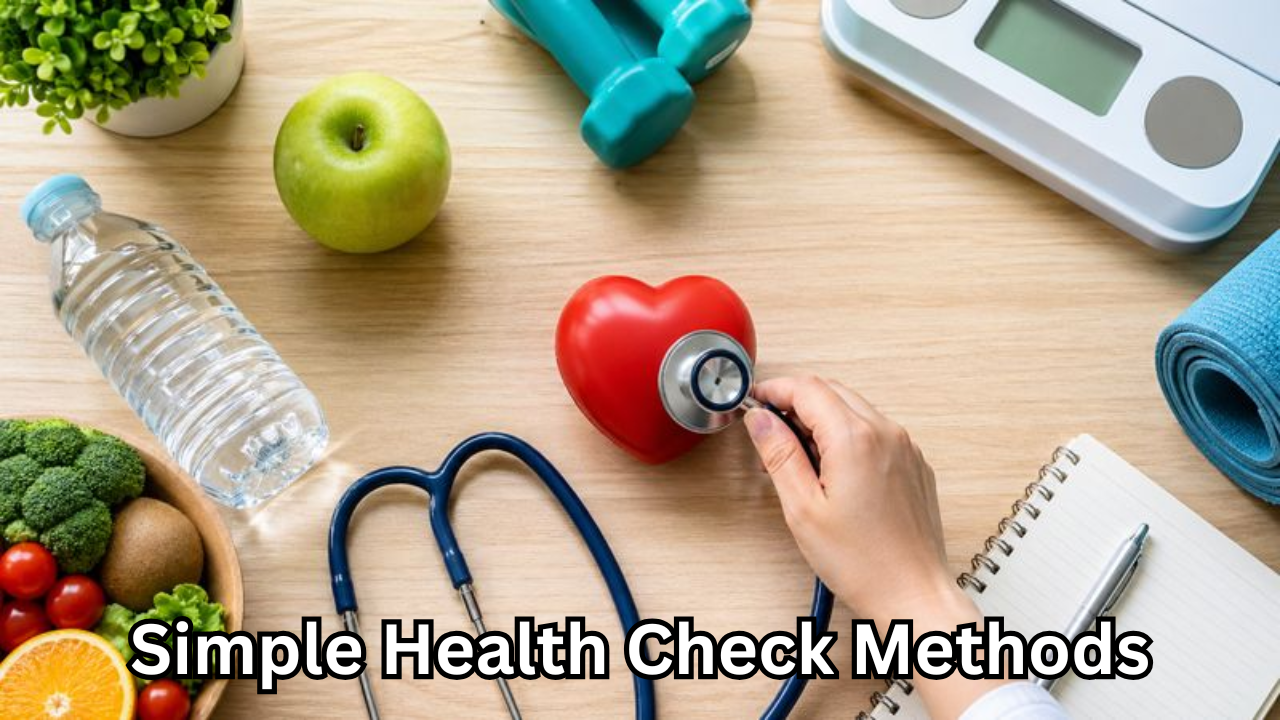
Simple Health Check Methods – In today’s fast-moving lifestyle, people often ignore their health until a problem becomes serious. The good news is that you don’t always need expensive tests or frequent doctor visits to understand your basic health condition. There are many simple health check methods you can do at home to stay aware of your body and catch early warning signs before they turn into bigger issues.
This article explains practical, easy, and reliable ways to monitor your health naturally. These methods are not a replacement for medical advice, but they help you stay informed and proactive about your well-being.
Why Simple Health Check Methods Matter
Your body gives signals every day, but most people don’t notice them. Small changes in energy levels, sleep, digestion, or skin can indicate how your overall health is functioning.
Simple health check methods help you:
- Detect early signs of illness
- Maintain daily wellness awareness
- Improve lifestyle habits
- Reduce long-term health risks
- Save time and unnecessary medical expenses
When you regularly check your health in simple ways, you build a stronger connection with your body.
Monitoring Your Heart Rate at Rest
One of the easiest health indicators is your resting heart rate. It shows how efficiently your heart is working when you are calm and relaxed.
To check it:
- Sit quietly for 5 minutes
- Place two fingers on your wrist or neck
- Count beats for 30 seconds and multiply by 2
A normal resting heart rate for most adults is usually between 60–100 beats per minute. Regularly checking this can help you notice changes caused by stress, illness, or fitness improvements.
If your heart rate is consistently too high or too low without reason, it may be worth paying attention to your lifestyle habits.
Checking Your Breathing Pattern
Breathing is something we do automatically, but it can reveal a lot about your health.
A simple check method:
- Sit comfortably and relax
- Observe your breathing for one minute
- Notice if it is smooth, fast, or irregular
Healthy breathing is usually steady and calm. If you often feel short of breath during simple tasks, it may indicate low stamina, stress, or lack of physical activity.
Practicing deep breathing exercises daily can improve lung capacity and reduce stress levels.

Observing Energy Levels Throughout the Day
Your energy level is one of the strongest indicators of overall health.
Ask yourself:
- Do I feel tired even after sleeping?
- Do I lose energy quickly during simple tasks?
- Do I feel active in the morning or sluggish?
Consistent low energy may be linked to poor sleep, unhealthy diet, dehydration, or stress.
A simple habit like tracking your energy levels in the morning, afternoon, and evening can help you understand your body’s natural rhythm.
Checking Hydration Through Urine Color
One of the simplest health check methods is observing hydration levels.
Your urine color can give quick clues:
- Light yellow: Well hydrated
- Dark yellow: Needs more water
- Very dark or strong smell: Possible dehydration
Drinking enough water supports digestion, skin health, brain function, and energy levels. Most people should aim to drink water regularly throughout the day instead of waiting to feel thirsty.
Monitoring Sleep Quality
Sleep plays a major role in physical and mental health. Poor sleep can affect mood, immunity, focus, and weight.
You can check your sleep health by asking:
- Do I fall asleep easily?
- Do I wake up feeling refreshed?
- Do I wake up multiple times at night?
Good sleep usually means you wake up energized and alert. If you constantly feel tired even after sleeping, it may be due to stress, screen time before bed, or irregular sleep schedules.
Improving sleep hygiene, like reducing phone use before bed and maintaining a consistent schedule, can make a big difference.
Tracking Digestion and Appetite
Your digestive system is closely connected to overall health. Simple daily observations can reveal a lot.
Pay attention to:
- Regular bowel movements
- Feeling bloated or comfortable after meals
- Sudden changes in appetite
A healthy digestive system usually works regularly without discomfort. If you notice frequent stomach issues, it may be related to diet, stress, or food intolerance.
Eating balanced meals with fiber, fruits, and water can support better digestion.
Checking Skin Condition
Your skin often reflects internal health. A quick daily look in the mirror can help you notice changes.
Watch for:
- Excess dryness or oiliness
- Sudden acne breakouts
- Pale or dull appearance
Skin changes can be linked to hydration, nutrition, sleep, or hormonal balance. While skincare products help externally, internal health habits play a bigger role in long-term skin condition.
Simple Blood Pressure Awareness (Without Equipment)
Even without a machine, your body sometimes gives signals related to blood pressure changes.
Possible signs include:
- Frequent headaches
- Dizziness when standing quickly
- Unusual fatigue
These signs don’t confirm anything on their own, but they are helpful reminders to maintain a healthy lifestyle and consult a professional if they continue.
Reducing salt intake, staying active, and managing stress can help support healthy blood pressure levels.
Watching Body Weight Trends
Instead of focusing on daily weight changes, it is better to observe long-term patterns.
A simple method:
- Weigh yourself once a week
- Track gradual changes over time
- Avoid daily fluctuations stress
Sudden weight gain or loss without lifestyle changes may indicate changes in diet, activity level, or metabolism.
The goal is not perfection but awareness of your body’s natural balance.
Mental Health Self-Check
Physical health and mental health are deeply connected. Simple mental health awareness can improve your overall quality of life.
Ask yourself:
- Do I feel calm or stressed most of the time?
- Am I enjoying daily activities?
- Do I feel mentally exhausted often?
Feeling occasional stress is normal, but long-term emotional fatigue should not be ignored. Talking to someone, taking breaks, and maintaining a routine can help improve mental well-being.
Listening to Your Body Signals
One of the most important simple health check methods is learning to listen to your body. Small signs often appear before bigger problems.
These may include:
- Unusual tiredness
- Loss of focus
- Muscle discomfort
- Frequent mood changes
Instead of ignoring these signals, adjusting your habits early can help prevent bigger health issues later.
Building a Simple Daily Health Routine
You don’t need complicated systems to stay healthy. A basic routine can include:
- Drinking enough water
- Eating balanced meals
- Getting 7–9 hours of sleep
- Light daily physical activity
- Short mental relaxation breaks
When combined with simple health check methods, this routine helps you stay consistent and aware of your body’s needs.
Final Thoughts on Simple Health Check Methods
Staying healthy is not only about visiting doctors when something goes wrong. It’s about understanding your body daily and noticing small changes early.
These simple health check methods give you practical ways to monitor your well-being without stress or expensive tools. From checking your heart rate and sleep quality to observing hydration and energy levels, each method helps you stay more connected to your health.
The key is consistency. When you regularly pay attention to your body, you can make better lifestyle choices and support long-term wellness naturally.
Also Read: Tiffany Chen Age: Everything You Need to Know About Her Life, Career, and Background
[…] Also Read: Simple Health Check Methods: Easy Ways to Monitor Your Health at Home […]
[…] Even small changes like feeling more tired than usual noticing slight swelling, or having a faster heartbeat can give you valuable clues about what is happening […]