
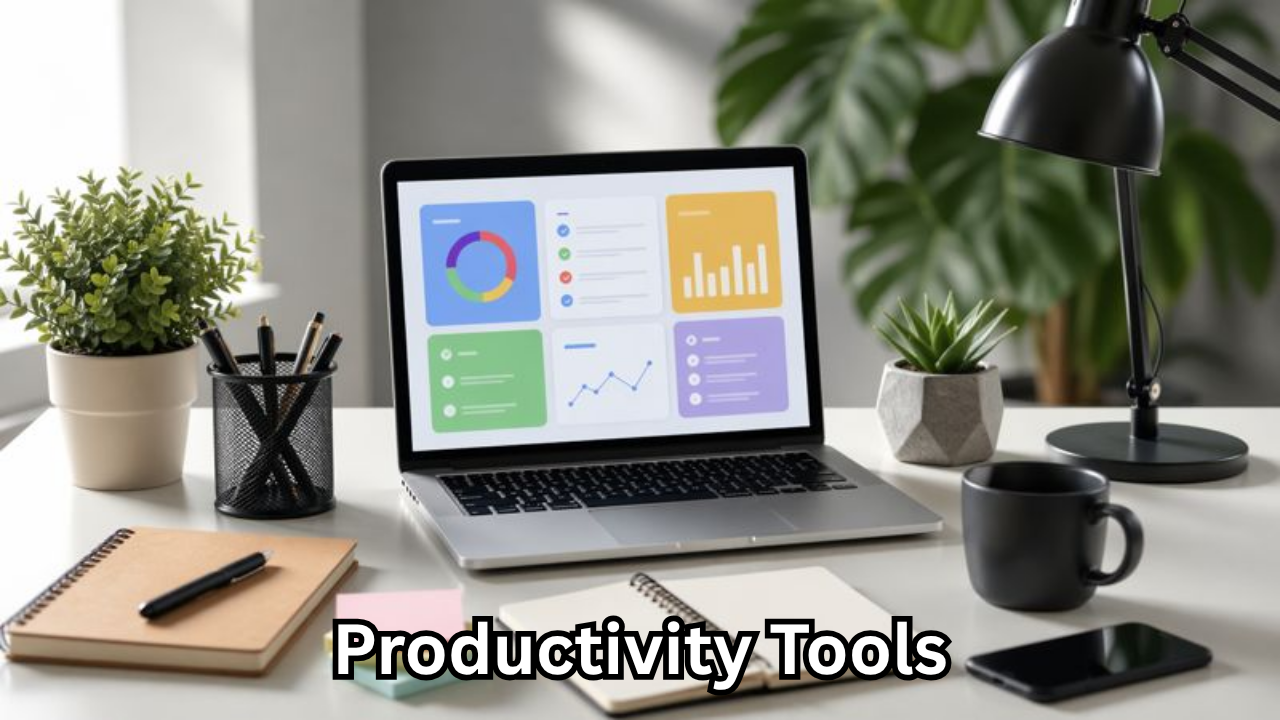
Introduction to Productivity Tools
In today’s fast-paced digital world, staying productive is no longer just about working harder—it’s about working smarter. Productivity tools have become essential for individuals, freelancers, entrepreneurs, and businesses who want to maximize efficiency, manage time effectively, and achieve better results in less time.
Whether you are managing multiple projects, organizing your daily tasks, or collaborating with a remote team, the right productivity tools can completely transform how you work. These tools help eliminate distractions, streamline workflows, and ensure that nothing important slips through the cracks.
This comprehensive guide explores the best productivity tools, their benefits, and how you can use them to improve your daily workflow and overall performance.
What Are Productivity Tools?
Productivity tools are software applications, platforms, or systems designed to help individuals and teams complete tasks more efficiently. They focus on improving organization, communication, time management, and task execution.
From simple to-do list apps to advanced project management systems, productivity tools come in many forms. They are designed to reduce manual effort, automate repetitive tasks, and provide better visibility into your work.
These tools are especially valuable in today’s remote and hybrid work environments, where staying organized and connected is more important than ever.

Why Productivity Tools Are Important
Productivity tools play a crucial role in improving both personal and professional performance. Without proper systems in place, it’s easy to become overwhelmed, miss deadlines, or lose track of important tasks.
One of the biggest advantages of productivity tools is time management. They help you prioritize tasks, set deadlines, and allocate your time more effectively. This ensures that you focus on what truly matters instead of wasting time on low-priority activities.
Another key benefit is improved collaboration. Many productivity tools allow team members to communicate, share files, and track progress in real time. This reduces confusion and keeps everyone aligned on project goals.
Additionally, productivity tools help reduce stress by organizing your workload and giving you a clear plan of action. When everything is structured and visible, you feel more in control of your tasks.
Types of Productivity Tools
There are several categories of productivity tools, each designed to address specific needs. Understanding these types will help you choose the right tools for your workflow.
Task Management Tools
Task management tools are designed to help you organize and prioritize your daily tasks. They allow you to create task lists, set deadlines, and track progress.
These tools are perfect for individuals who want to stay on top of their responsibilities and ensure that nothing is forgotten. They also provide reminders and notifications to keep you accountable.
Popular examples include apps that allow you to break down large projects into smaller, manageable tasks.
Project Management Tools
Project management tools are more advanced and are typically used by teams. They help manage complex projects by providing features like task assignment, progress tracking, timelines, and reporting.
These tools offer a centralized platform where team members can collaborate, share updates, and monitor the overall progress of a project. They are essential for businesses handling multiple projects simultaneously.
Time Management Tools
Time management tools help you track how you spend your time. They provide insights into your daily activities and help you identify areas where you can improve efficiency.
By understanding how your time is used, you can eliminate distractions and focus on high-value tasks. Many time management tools also include features like timers, reports, and productivity analytics.
Communication Tools
Effective communication is key to productivity, especially for remote teams. Communication tools allow users to send messages, hold video meetings, and share updates instantly.
These tools reduce the need for long email chains and ensure that everyone stays connected. They also help in faster decision-making and problem-solving.
Note-Taking and Organization Tools
Note-taking tools help you capture ideas, store important information, and organize your thoughts. They are perfect for students, professionals, and creatives who need a reliable system for managing information.
These tools often include features like search functionality, tagging, and cloud storage, making it easy to access your notes anytime.
Key Features to Look for in Productivity Tools
Choosing the right productivity tools can be overwhelming due to the wide range of options available. However, focusing on key features can help you make the right decision.
One important feature is ease of use. A tool should be simple and intuitive, allowing you to start using it without a steep learning curve.
Another essential feature is integration. The best productivity tools work seamlessly with other apps you use, such as email, calendars, and file storage systems.
Customization is also important. A good productivity tool should allow you to tailor it to your specific needs and workflow.
Security should not be overlooked. Since productivity tools often store sensitive data, they should offer strong security features to protect your information.
How Productivity Tools Improve Workflow
Productivity tools enhance workflow by creating structure and consistency in your daily activities. Instead of juggling multiple tasks in your head, these tools provide a clear roadmap of what needs to be done.
They also automate repetitive tasks, saving you time and effort. For example, you can set recurring tasks, automate reminders, and streamline communication processes.
Another way productivity tools improve workflow is by reducing distractions. Many tools include focus features that help you stay on track and avoid interruptions.
Additionally, these tools provide valuable insights into your performance. By analyzing your productivity patterns, you can identify areas for improvement and make better decisions.

Tips for Using Productivity Tools Effectively
Simply using productivity tools is not enough—you need to use them effectively to see real results.
Start by choosing only a few tools that meet your needs. Using too many tools can create confusion and reduce efficiency.
Set clear goals and use your tools to track progress. This will help you stay focused and motivated.
Regularly review your tasks and update your plans. This ensures that your workflow remains aligned with your priorities.
Avoid overcomplicating your system. Keep things simple and focus on what works best for you.
Consistency is key. Make it a habit to use your productivity tools daily to maximize their benefits.
Common Mistakes to Avoid
While productivity tools can be incredibly helpful, there are some common mistakes that users should avoid.
One common mistake is relying too much on tools without taking action. Tools are meant to support your work, not replace it.
Another mistake is constantly switching between tools. This can disrupt your workflow and waste time.
Overloading your system with unnecessary features is also a problem. Stick to the features that add real value to your work.
Ignoring updates and improvements can limit the effectiveness of your tools. Always stay updated with new features and enhancements.
Future of Productivity Tools
The future of productivity tools looks promising, with advancements in technology continuing to shape how we work. Artificial intelligence and automation are playing a major role in making tools smarter and more efficient.
Future productivity tools will likely offer more personalized experiences, adapting to individual work styles and preferences. They will also become more integrated, allowing seamless collaboration across different platforms.
As remote work continues to grow, productivity tools will become even more essential for maintaining efficiency and communication.
Conclusion
Productivity tools are no longer optional—they are a necessity for anyone looking to succeed in today’s competitive environment. By helping you manage tasks, organize your work, and improve collaboration, these tools can significantly enhance your efficiency and performance.
The key is to choose the right tools, use them effectively, and continuously optimize your workflow. With the right approach, productivity tools can help you achieve more in less time and reach your goals faster.
Start exploring the world of productivity tools today and take the first step toward a more organized, efficient, and productive life.
Also Read: BetterThisFacts Tips from BetterThisWorld: Practical Strategies to Improve Your Life
[…] Also Read: Productivity Tools: The Ultimate Guide to Boost Efficiency and Get More Done […]